• Request Info
  • Visit
  • Apply
  • Give
  • Request Info
  • Visit
  • Apply
  • Give

Search

Biochemistry & Cellular and Molecular Biology

  • Undergraduate
    • Mentoring
    • Scholarships
    • Courses
    • Honors
    • Career Resources
  • Graduate
    • Admissions
    • Funding
    • Related Programs
    • Program & Curriculum
    • Minor Programs
    • Grad Student Organization
    • Awards & Highlights
  • Research
    • Undergraduate Research
    • Research Areas
    • Facilities and Resources
    • Centers & Partners
    • Faculty Awards
  • People
    • Faculty
    • Post Docs
    • Staff
    • Graduate Students
    • Joint Faculty & Adjunct Personnel
    • Research Personnel
    • Lecturers
    • Emeritus
  • Events
    • Colloquiums
    • Seminars
    • Annual Award Reception
  • Alumni and Friends
    • External Advisory Board
    • Graduate Student Alumni
    • Newsletters
  • About BCMB
    • Forms
    • Directory
Home » Archives for October 2026

October 2026

Archives for October 2026

Darla Forester poses for a professional photo on UT's campus.

Lab Techniques and Analytical Skills

October 12, 2026 by Kaitlin Coyle

Darla Forester poses for a professional photo on UT's campus.

Undergraduate research in the Lamichhane Lab nurtured Darla Forester’s growth as a student and a scientist.

Darla Forester was first drawn to the sciences because she was amazed that there is more to the world than meets the eyes. “The idea that numerous physiological processes are occurring within our bodies to keep us operational is incredibly fascinating,” she said.

At the University of Tennessee, Knoxville, she found the opportunities and support to pursue her interests while earning a bachelor’s degree in biological sciences with a concentration in biochemistry and cellular and molecular biology.

When she began as an undergraduate research assistant in Associate Professor Rajan Lamichhane’s biochemistry and biophysical laboratory, she knew little about the application of lab techniques. “As I continued to learn and practice these skills in an environment that encouraged me, I have gained confidence in the work I do,” Forester said

Her work involves protein purification of G proteins to better understand the structural components of GPCR (G-protein coupled receptors). “When I performed the protein purification protocol on my own for the first time and the target protein was obtained, I was extremely proud of the progress I had made,” she said.

As an undergraduate research assistant she sees the direct application of her BCMB studies.

“Often the information taught in my classes overlaps with the research we are completing; this allows me to either understand the reasoning behind the laboratory techniques we use or be able to connect the information to real world uses,” she said. “Additionally, the lab I work with performs weekly meetings and analyzes recent studies relating to our area of focus. This has improved my analytical skills and exposed me to information I would not have otherwise come across.”

“My time in the lab has made me not only a better student but a better scientist as well,” said Forester, who is continuing to work in the lab during her senior year.

Off campus, after her second year at UT she worked as a health care intern at the Cherokee Indian Hospital Authority. “This summer gave me insight into the impact health care professionals have not only on their individual patients but on the community,” Forester said. “This experience inspired me to continue my journey in the medical field and shaped my choices in the coming years at the University of Tennessee.”

In UT’s Academic Success Center she found additional support through supplemental instructors who focus on a specific course and peer learning assistants for individual help. Forester also served as a supplemental instructor for Biochemistry 1, an experience that benefitted her too. “It allowed me to think about this course in a different light as well as help students grow their knowledge,” she said.

Filed Under: newsletter

Connor Hawkins sits in a lab wearing gloves, putting samples into trays.

Interdisciplinary Experience to Answer Complex Questions

October 12, 2026 by Kaitlin Coyle

Connor Hawkins sits in a lab wearing gloves, putting samples into trays.

Conner Hawkins (PhD ’26) researched how cells translate small differences in molecular signals into distinct biological outcomes.

When Conner Hawkins (BS ’21, PhD ’26) entered UT as an undergraduate student he wanted to become a medical doctor. He was drawn to help people through medicine but chose a different path. Now Hawkins is a postdoctoral researcher at Dana-Farber Cancer Institute. 

“My direction began to change as I was introduced to science more broadly,” Hawkins said. “I came to understand that the ideas we now accept as established facts did not simply appear in textbooks. They were discovered by people who were willing to confront questions for which no answer yet existed. Scientists were actively pushing the boundaries of human knowledge and producing ideas that could eventually transform how we understand biology, disease, and ourselves. Once I recognized that, I was hooked.”

Hawkins became fascinated by the process of research, in which every day can present a new puzzle, often with several possible ways to approach it. “You have to decide what explanation is most plausible, design an experiment capable of distinguishing among competing possibilities, and then adapt when the result is not what you expected. At its best, that process reveals something about the inner workings of life that was not understood before,” he noted.

Remaining at UT for graduate school offered the opportunity to work with scientists in a collaborative and diverse environment while also taking advantage of the university’s proximity to Oak Ridge National Laboratory. “This access allows for complex questions to be answered through combining interdisciplinary approaches from experts spanning structural biology, molecular biology, genomics, cell biology, computational analysis, and biochemistry,” Hawkins said.

As an undergraduate he had become interested in how biological molecules acquire function through physical principles. Proteins’ structures, motions, interactions, and possible functions are constrained by chemistry and physics. “What interested me was how biological systems have evolved to exploit those constraints to recognize signals and generate specific responses,” he said.

A graphical image representation of cellular transcription and responses.
This graphical representation shows unique signals being integrated differently across transcription factors leads to distinct cellular consequences.

That interest led him to the laboratory of Associate Professor Elias Fernandez, who trained as a physical chemist and whose laboratory investigates how proteins integrate different signals and how those signals alter their structural and biophysical properties. “When I joined the laboratory, he and a colleague had been discussing a broader question: Do the changes observed in isolated environments, outside of a cell, actually influence how those proteins behave inside cells? That question became the foundation of my graduate research,” Hawkins said.

He focused on how cells translate small differences in molecular signals into distinct biological outcomes. “I study nuclear hormone receptors, transcription factors that respond to molecules such as hormones and regulate gene expression,” Hawkins said. “Rather than acting as simple on-and-off switches, these receptors integrate information from the ligand, the DNA they bind, their protein partners, and the surrounding cellular environment. By combining structural, genomic, and proteomic approaches, my work seeks to understand how these inputs shape receptor behavior and, ultimately, produce different gene-expression programs.” 

Because nuclear receptors are common drug targets, understanding how they generate specific cellular responses may help guide the development of more precise therapies.

When Hawkins was an undergraduate, he was fascinated by the Monod–Wyman–Changeux model of allostery, which describes how proteins can shift among different functional states. “After our work connected ligand-dependent allostery to genome-wide changes in nuclear hormone receptor binding and gene regulation, Jean-Pierre Changeux personally reached out to congratulate us,” he said. “Having one of the scientists whose work helped establish the concept that inspired me recognize our research was both surreal and deeply meaningful.”

Outside the laboratory, Hawkins enjoys hiking and rock climbing. “Climbing requires many of the same skills that shape how I approach research: carefully evaluating a problem, testing different solutions, learning from failed attempts, and adapting until a path forward becomes clear. Together, these activities have helped me become a more patient, persistent, and creative scientist,” he said.

Filed Under: newsletter

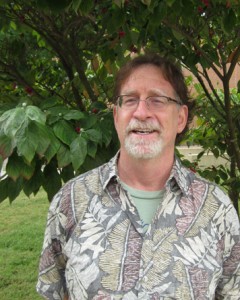
Praveen Suresh.

Learning Through Research

October 12, 2026 by Kaitlin Coyle

Praveen Suresh.

Doctoral student Praveena Suresh is investigating the protein import system that builds and maintains chloroplasts.

Drawn to UT by the opportunity to investigate important biological questions through multidisciplinary research, doctoral student Praveena Suresh studies a fundamental process that is essential for photosynthesis but is still not well understood.

“My research focuses on the TOC and TIC protein import complexes that transport thousands of proteins into the chloroplasts,” she said. “This is like a highly regulated shipping and customs system, where each protein has to be accurately recognized, transported, and delivered to the correct location at the right time. Without this process, chloroplasts can’t function properly and plants struggle to grow and develop.”

“We’re beginning to realize these protein complexes are far more dynamic than previously thought,” she continued. “They appear to change their composition and organization depending on a plant’s developmental stage or environmental conditions. I’m interested in understanding how these complexes assemble, reorganize, and function in living chloroplasts, where they naturally exist—instead of only studying them in isolated laboratory systems—and also probe them as a function of development.”

Using advanced microscopy and imaging, Suresh aims to visualize these protein complexes in action and better understand how they work together in real time. “By filling these gaps, my research would contribute to the understanding of basic protein import biology and may ultimately provide insights that could help improve crop productivity and food security,” she said.

Her interest in understanding how plants grow and develop was fueled by an undergraduate research experience propagating wild orchids for commercial production, using different fruit and vegetable extracts as components of the growth medium. “It was exciting to see that these natural extracts had different effects on the culture; some promoted plant growth while others inhibited it,” Suresh said. “What was more exciting was that there was no literature at that time that cited some of the observed phenomena—it was like a few of us discovered something new.”

 While pursuing a master’s degree in plant biology and biotechnology, she explored biological processes at a deeper level using biochemical and biophysical approaches. Her research focused on Dunaliella salina, a highly salt-tolerant microalga known for producing valuable carotenoids. “I explored ways to modulate photosystems to improve photosynthetic efficiency and to enhance its potential as a bioreactor for carotenoid production,” she said. “It was exciting to work on a project with both fundamental and applied significance, and this tremendously sparked my interest in photosynthesis and plant biology.”

Research Opportunity at UT

Colleagues in her master’s program spoke highly about the research environment at UT, an R1 research institution. Then she met BCMB Professor Barry Bruce at an international conference in India. “I was deeply inspired by the research he presented and by the department’s multidisciplinary approaches to addressing important biological questions,” she said. “UT offered the kind of environment I was looking for, with many opportunities for advanced research, collaboration, and learning through research.”

Immunofluorescence reveals details in chloroplast envelopes.
Immunofluorescence of Toc34 protein (in green) reveals a punctate and asymmetric distribution on the chloroplast envelope (in red).

When she came to UT in 2023, she was drawn to the Bruce Lab, which focuses on fundamental questions in chloroplast biology. “The opportunity to investigate such an essential yet understudied system excited me,” she said. “My project also involved collaborative approaches, and I knew that working with researchers of different expertise would provide me with valuable new perspectives.”

She was particularly interested in understanding the protein import apparatus within chloroplasts and using techniques like electron microscopy and confocal microscopy.

“The first time I saw an electron microscopy image that I had generated from my own research was an unforgettable moment,” she said. “Seeing the detailed structures inside the chloroplast and being able to visualize where my protein was located made the concepts I had studied in textbooks feel so real. It was exciting to see how a technique could transform a biological question into something we could observe with our own eyes. That experience really strengthened my appreciation for microscopy, as well as research.” 

Because her work involves collaboration among two labs, she has been able to access specialized resources and expertise from other groups, such as using super-resolution microscopy facilities. “This culture of collaboration allows us to learn from each other and approach research questions from different perspectives,” Suresh said. “Beyond research, I love the supportive and welcoming atmosphere within the department, where people are always willing to help and encourage one another.”

“I also value the many opportunities the department provides for us to share our work, whether through presentations, seminars, or discussions, and receive constructive feedback that helps us grow as scientists,” she said.

Outside of the lab, Suresh enjoys spending time with friends and listening to music. “Cooking is one of my favorite ways to relax and de-stress, and I enjoy experimenting with different dishes,” she said. “I also love coloring, which gives me a chance to slow down, be creative, and take a break from the fast pace of research.”

Filed Under: newsletter

Michael Mykins.

Leading Beyond the Lab

October 12, 2026 by Kaitlin Coyle

Michael Mykins.

As a data scientist and neuroscientist, Michael Mykins (PhD ’23) is shaping strategies on research into areas including autism and Parkinson’s disease.

For Michael Mykins (PhD ’23), adaptability isn’t just a professional skill—it’s been the defining theme of his journey as a first-generation high school graduate.

After completing his undergraduate degree in neuroscience at Virginia Tech, Mykins joined BCMB to expand his expertise through the department’s diverse interdisciplinary research environment. Working in the lab of Associate Professor Keerthi Krishnan, he applied computational methods to study a mouse model of Rett syndrome before pursuing a postdoctoral fellowship at the Johns Hopkins School of Medicine to investigate the molecular mechanisms of Parkinson’s disease.

It was during his time at Johns Hopkins School of Medicine that Mykins decided to look beyond academia. Through a scientific internship with the Coalition for Aligning Science (CAS), he helped evaluate the scientific progress of their flagship initiative, Aligning Science Across Parkinson’s (ASAP). Mykins credits BCMB’s broad graduate seminar and colloquium series with providing the foundational breadth needed to quickly grasp ASAP’s multilayered scientific portfolio.

Following his internship, Mykins was awarded the prestigious AAAS Science and Technology Policy Fellowship, which landed him at the National Institute of Child Health and Human Development (NICHD). Serving as a principal data scientist, he spearheaded the development and implementation of AI and machine learning tools to modernize the institute’s grant operations while evaluating a diverse grant portfolio spanning pediatric development and intellectual disabilities and disorders. 

In October 2025, Michael circled back to CAS, helping to shape data strategies for major research efforts in ASAP. He credits his PhD advisor, Krishnan, and committee member Professor Emeritus Dan Roberts, for imparting the flexibility and mindset that made his career pivot a resounding success.

Filed Under: newsletter

Closeup details of various blades of grass.

How Plants Pattern the Tissues That Produce Seeds

October 12, 2026 by Kaitlin Coyle

Closeup details of various blades of grass.

Professor Elena Shpak’s lab is advancing fundamental knowledge of plant growth and development, with a new study centered on signaling proteins.

Many of the world’s staple crops, including wheat, rice, and corn, are grown for their seeds. Before a plant can produce seeds, it must first form ovules, which develop into seeds after fertilization. A single flower can produce one or dozens of ovules, each precisely positioned to ensure successful development. Ovules arise from a specialized tissue inside the flower called the placenta. But how do placental cells know whether they should become an ovule or remain part of the surrounding tissue? What determines how many ovules a placenta produces? Answering these questions requires understanding how neighboring cells communicate to establish distinct identities during development.

Graphical depiction of a flower with ovules.
Ovules of the Arabidopsis flower are shown in black.

In a recent study published in The Plant Cell, the Shpak Lab uncovered an important part of the answer using the model plant Arabidopsis thaliana. The researchers discovered that two small signaling proteins, EPFL1 and EPFL2, act as molecular coordinators that reinforce the identities of neighboring cells as ovules begin to form. These signals help separate the ovule founder cells from the surrounding boundary cells while promoting the growth of the intervening tissues. EPFL1 and EPFL2 regulate ovule number while ensuring that developing ovules remain properly connected to the placenta.

This work reveals a previously unknown mechanism by which cell-to-cell signaling patterns reproductive tissues during plant development. More broadly, it demonstrates how communication between neighboring cells establishes distinct cell identities while coordinating organ growth—a fundamental process shared throughout plant development. 

Because the number and arrangement of ovules ultimately determine the number of seeds a flower can produce, these findings also provide a foundation for future efforts to improve seed production in crop plants.

A graphical dark images with ovules highlighted.
Young ovules with a marker in the boundaries.

Filed Under: newsletter

Sabrina Chin.

Researching the Roots of Plant Growth

October 12, 2026 by Kaitlin Coyle

Sabrina Chin.

Assistant Professor Sabrina Chin’s lab studies how plant roots perceive and respond to stimuli.

Assistant Professor Sabrina Chin joined the Department of Biochemistry and Cellular and Molecular Biology in 2025. She teaches the Cellular and Molecular Biology and the Journal Club in Plant Biology courses.

The Chin Lab studies how plant roots perceive and respond to external stimuli, using advanced cell imaging techniques, molecular biology, genetics, biochemistry, root morphology, and functional analysis. 

“My lab is investigating the actin regulatory pathways that control the spatial and temporal organization of distinct actin architectures in root cells,” she explained. “We use Arabidopsis thaliana root hairs as a model system to dissect how actin regulators build and maintain polarized cytoskeletal networks during growth. 

“By combining genetics, live-cell imaging, and quantitative analysis, we aim to define the mechanisms that generate the fine, dynamic actin arrays at the root hair tip and the thick, bundled filaments along the shank. This work provides a mechanistic foundation for understanding how root cells coordinate structure and function during development.”

An undergraduate plant biology course was a formative experience for Chin, leading her to a summer research project and eventually a PhD in root biology. 

“Although studying roots is more challenging because they are the hidden half of the plant, I have always felt that they are interesting organs that are the foundation of plant viability, akin to how buildings require a strong base to be built tall,” Chin said. 

She had two postdoctoral positions exploring how the actin cytoskeleton affects root development and response to external stimuli such as gravity. “I was fortunate that these positions were NASA-funded projects that allowed me to explore how to better grow plants in the space environment, which required me to remove assumptions about normal Earth conditions and re-examine the fundamental mechanisms—which is surprisingly hard, as I always take gravity for granted,” she said. 

Chin is looking for students with an adaptive mindset, strong communication skills, a willingness to learn, and a rigorous, detail-oriented approach to scientific inquiry to join her lab.

In her spare time, she enjoys visiting art museums, going for walks at botanic gardens, playing video games, reading and watching science fiction, and lazing with her cat.

Filed Under: newsletter

Student, Eugene Agyemang poses for a photo with Professor Rajan Lamichhane in a BCMB lab.

Capturing the Opioid Receptor in Motion

October 12, 2026 by Kaitlin Coyle

Student, Eugene Agyemang poses for a photo with Professor Rajan Lamichhane in a BCMB lab.

Research led by a doctoral student in Associate Professor Rajan Lamichhane’s lab could point the way for discovering how opioid drugs produce distinct functional effects.

The μ-opioid receptor is one of the most important targets in pain medicine and opioid drug development. Like many membrane proteins, however, it is difficult to investigate using biophysical approaches outside the cell membrane. Although detergents are commonly used to solubilize membrane proteins for structural and biophysical studies, they can alter the proteins’ native environment, making it challenging to determine how the receptor naturally moves and changes shape during activation.

Eugene Agyemang (PhD ’26) in the Lamichhane Lab led a collaborative study exploring the structure and motions of an engineered, water-soluble variant of the human μ-opioid receptor with researchers at Oak Ridge National Laboratory (ORNL) and the Perelman School of Medicine at the University of Pennsylvania. The engineered receptor, developed at Penn, served as the foundation for this work by making it possible to investigate receptor dynamics in solution without the surrounding lipid membrane. 

Building on this unique platform, the collaboration combined custom-built single-molecule fluorescence instrumentation in the Lamichhane Lab with neutron scattering experiments at ORNL to investigate the receptor’s structure and dynamics across different spatial and timescales. The work was recently published in the Journal of Biological Chemistry.

The team found that the μ-opioid receptor is intrinsically dynamic, sampling multiple structural states even in the absence of its native membrane environment. Ligand binding shifted the balance among these states and altered the receptor’s internal motions. These findings show that important aspects of receptor dynamics are inherent to the receptor itself and can be studied outside the membrane, providing insight into activation that cannot be captured by static structures alone.

This new perspective on receptor dynamics has broader implications for opioid and G protein-coupled receptor (GPCR) research. Rather than focusing only on the structure of a receptor bound to a specific drug, researchers can use this system to examine how different ligands reshape the receptor’s dynamic landscape and how those changes relate to signaling. The approach could, therefore, provide a new way to study how opioid drugs produce distinct functional effects.

The work has already attracted interest from the broader membrane protein community. Agyemang was invited to present findings from the study at a membrane protein conference organized by the SMALP Network, an international community developing new approaches for studying membrane proteins. The approach provides a unique experimental framework for investigating how receptor dynamics contribute to opioid signaling and may also be applicable to other challenging GPCRs.

Filed Under: newsletter

Madhura Pandkar inserts samples into a test tray while in a laboratory.

Decoding the Conversations Between Organelles

October 12, 2026 by Kaitlin Coyle

Madhura Pandkar inserts samples into a test tray while in a laboratory.

Postdoctoral researcher Madhura Pandkar is investigating why mitochondria fail in seipinopathies, a group of rare genetic disorders.

Curiosity has always been the driving force behind Madhura Pandkar’s scientific journey. Since joining BCMB in April 2025 as a postdoctoral research associate, she has continued pursuing fundamental questions about how cells communicate internally and how disruptions in that communication contribute to diseases.

“As a high school student, I was fascinated by the fact that biological systems are incredibly complicated, yet so beautifully coordinated,” Pandkar said. That fascination grew while earning her master’s degree in microbiology, where she was introduced to cancer biology. The field immediately captured her interest and ultimately shaped the direction of her research career. 

Upon earning her PhD in Professor Sanjeev Shukla’s laboratory at the Indian Institute of Science Education and Research (IISER) Bhopal, she then joined Professor Marcelo Bonini’s laboratory at Northwestern University for postdoctoral research. 

While studying mitochondrial biology throughout her PhD and former postdoc journey, she began looking beyond individual organelles. “When I look back on my research journey, one thing stands out— we often miss important biological information simply because we study organelles independently,” she said. “Cells do not function that way—they rely on constant communication between organelles. This realization sparked my interest in membrane contact sites, specialized regions where organelles communicate by forming close physical interactions. After reading several publications authored by Dr. Amit Joshi, I became interested in understanding how communication between organelles regulates cellular metabolism and decided to join the BCMB department.”

Today, as part of the Joshi Lab, Pandkar studies communication between the endoplasmic reticulum (ER) and mitochondria, two organelles that work together to maintain cellular homeostasis. Although these interactions are essential for normal cell function, many of the molecular mechanisms governing their communication remain poorly understood.

“Having spent more than eight years studying mitochondria, I can confidently say that we still know surprisingly little about how communication between mitochondria and the ER regulates mitochondrial function,” Pandkar said. “Understanding what happens when these contacts are disrupted is a fascinating biological problem.” 

Why Mitochondria Fail

Her research focuses on seipinopathies, a group of rare genetic disorders in which ER-mitochondria communication is disrupted, leading to mitochondrial dysfunction and impaired energy metabolism. “I am trying to understand why mitochondria fail when they lose contact with the ER,” she said. “If we can uncover the molecular mechanisms responsible for this defect, we may eventually identify ways to restore mitochondrial function in these patients.”

A microscopic image mitochondria and lipids.
Mitochondria (in red) and lipid droplets (in green) in close proximity in HeLa cells.

For Pandkar, the most rewarding part of science is the opportunity to solve biological puzzles.

“Every day in research is an opportunity to learn something new. I genuinely enjoy designing experiments to answer biological questions, and even unexpected results often reveal entirely new directions to explore,” she said.

Recently, Pandkar received the department’s C.W. Fite Research Incentive Award, which will support multi-omics studies aimed at understanding mitochondrial dysfunction in seipinopathies. Grant writing is an essential part of scientific training, she noted.

UT’s Department of Biochemistry and Cellular and Molecular Biology is an excellent place to pursue those questions. “BCMB provides outstanding research infrastructure, a collaborative environment, and an incredibly supportive faculty and administrative team. It has been a wonderful place to establish my research and interact with scientists working across diverse areas of biology,” she said

“Writing grants does much more than provide funding. It teaches you how to communicate scientific ideas clearly and concisely, think critically about experimental design, and develop a well-defined roadmap for answering important biological questions,” Pandkar said.

Outside the laboratory, life has become even more exciting with the arrival of her first child. Much of her free time is now spent with her husband and baby. “Watching my baby grow each day has been one of the most rewarding experiences of my life,” she said. “Family time is the best way for me to relax and recharge. Balancing research with family life requires organization and discipline. Following a structured schedule and keeping detailed records of my daily work helps me manage multiple projects while maintaining a healthy balance between my professional and personal life.”

As she continues her research at UT, Pandkar hopes her work will provide new insights into how organelle communication shapes mitochondrial function and metabolism. By uncovering the molecular basis of these interactions, she aims to advance our understanding of diseases associated with mitochondrial dysfunction and identify potential strategies for restoring cellular health.

Filed Under: newsletter

Two researchers point at a screen that contains microscopic images from the microscope sitting next to them.

Read Our Faculty Members’ Research

October 12, 2026 by Kaitlin Coyle

Two researchers point at a screen that contains microscopic images from the microscope sitting next to them.

Members of the Department of Biochemistry and Cellular and Molecular Biology are publishing research that advances science across numerous disciplines. 

As members of an R1 research university, BCMB faculty publish new discoveries in areas such as biochemistry, molecular biology, cellular biology, biophysics, plant biology, structural biology, membranes, computational biology, neuroscience, genetics, genomics, bioinformatics, physiology, microbiology, developmental biology, and structural proteomics. Below are recent publications.

  • Alexandre G. Movement of bacteria in the soil and the rhizosphere. Appl Environ Microbiol. 2025;91(10):e0024625. doi:10.1128/aem.00246-25
  • Ganusova EE, Banerjee I, Seats T, Alexandre G. Indole-3-acetic acid (IAA) protects Azospirillum brasilense from indole-induced stress. Appl Environ Microbiol. 2025;91(4):e0238424. doi:10.1128/aem.02384-24
  • Carlew, T. S., Brenya, E., Ferdous, M., Banerjee, I., Donnelly, L., Heinze, E., King, J., Sexton, B., Lacey, R. F., Bakshi, A., Alexandre, G., & Binder, B. M. (2025). Ethylene signals through an ethylene receptor to modulate biofilm formation and root colonization in a beneficial plant-associated bacterium. PLoS genetics, 21(2), e1011587. https://doi.org/10.1371/journal.pgen.1011587
  • Gupta, P., Wiltse, H., Pandey, P., Rai, S., Singh, V. S., Talukdar, S., Alexandre, G., & Tripathi, A. K. (2026). A novel extracytoplasmic function sigma factor (RpoE6) regulates biogenesis of a minor flagellin and other functions in Azospirillum brasilense Sp7. Journal of bacteriology, 208(1), e0046425. https://doi.org/10.1128/jb.00464-25
  • Goodman, C. P., Padgett, V. N., Evans, E. R., & von Arnim, A. G. (2025). Paromomycin is a more effective selection agent than kanamycin in Arabidopsis harboring the neomycin phosphotransferase II transgene. PloS one, 20(6), e0325322. https://doi.org/10.1371/journal.pone.0325322
  • Smith, A. W., & Barrera, F. N. (2025). Regulation of receptor tyrosine kinase hetero-interactions. Current opinion in structural biology, 95, 103187. https://doi.org/10.1016/j.sbi.2025.103187
  • Schuck, R. J., Ward, A. E., Sahoo, A. R., Rybak, J. A., Pyron, R. J., Trybala, T. N., Simmons, T. B., Baccile, J. A., Sgouralis, I., Buck, M., Lamichhane, R., & Barrera, F. N. (2025). Cholesterol inhibits assembly and oncogenic activation of the EphA2 receptor. Communications biology, 8(1), 411. https://doi.org/10.1038/s42003-025-07786-6
  • Barrera, F., Bibrowski, M., Conboy, J. C., Cooney, A., Deserno, M., Dimova, R., Doktorova, M., Enoki, T. A., Farago, O., Fellows, A. P., Gericke, A., Giacomello, A., Goni, F. M., Heerklotz, H., John, B., Kamat, N. P., Kozlov, M. M., Lipowsky, R., London, E., Lorent, J. H., … Villanueva, M. E. (2025). Engineering plasma membrane mimics: general discussion. Faraday discussions, 259(0), 182–199. https://doi.org/10.1039/d5fd90019k
  • Barrera, F. N., Cooney, A., Decker, N. P., Deserno, M., Doktorova, M., Enoki, T. A., Fellows, A. P., Fiorin, G., Golani, G., Huster, D., Kaur, M., Levental, I., Levental, K. R., Lipowsky, R., Lolicato, F., London, E., Lorent, J. H., Lu, T., Lyman, E., Machin, J. M., … Varma, M. (2025). Proteins in asymmetric membranes: general discussion. Faraday discussions, 259(0), 614–633. https://doi.org/10.1039/d5fd90021b
  • Jung, M. S., Choi, W. Y., Zhang, W., Barrera, F. N., & Perkins, R. S. (2025). The Role of Receptor Tyrosine Kinase-like Orphan Receptor 1 (ROR1) in Cancer Stem Cell Signaling. International journal of molecular sciences, 26(16), 7828. https://doi.org/10.3390/ijms26167828
  • Andreghetti, D., Barrera, F. N., Conboy, J. C., Connell, S., Cooney, A., Deng, Z., Deserno, M., Dimova, R., Doktorova, M., Enoki, T. A., Farago, O., Feigenson, G. W., Fellows, A. P., Fiorin, G., Giacomello, A., Golani, G., Goni, F. M., Heerklotz, H., Heuer, A., Huster, D., … Voigt, A. (2025). Structure and dynamics of asymmetric membranes: general discussion. Faraday discussions, 259(0), 475–544. https://doi.org/10.1039/d5fd90020d
  • Rodríguez-García, T., Akakpo, L., Nickles, S. L., Schuck, R. J., Alves, D. S., Schaefer, K. G., Heberle, F. A., King, G. M., & Barrera, F. N. (2025). Engineering of lipid membranes asymmetrically functionalized with chondroitin sulfate. Faraday discussions, 259(0), 168–181. https://doi.org/10.1039/d4fd00195h
  • Gonneville, A. N., Ward, A. E., Naidoo, N. R., Barrera, F. N., & Lamichhane, R. (2026). Rapid and improved surface passivation method for Single-Molecule experiments. Methods (San Diego, Calif.), 247, 95–106. https://doi.org/10.1016/j.ymeth.2026.01.003
  • Mattamira, C., Ward, A., Krishnan, S. T., Lamichhane, R., Barrera, F. N., & Sgouralis, I. (2025). Bayesian analysis and efficient algorithms for single-molecule fluorescence data and step counting. Biophysical journal, 124(19), 3161–3173. https://doi.org/10.1016/j.bpj.2025.08.014
  • Sanwick, A. M., Alves, D. S., Haugh, K. N., Barrera, F. N., & Chaple, I. F. (2026). [64Cu]Cu-DOTA-TYPE7: a targeted PET radiotracer for imaging EphA2+ tumors. Npj imaging, 4(1), 33. https://doi.org/10.1038/s44303-026-00168-5
  • Ward, A., Baeza-Ballesteros, L. J., Schuck, R., García-Murria, M. J., Lamichhane, R., Mingarro, I., & Barrera, F. N. (2026). Cholesterol promotes the formation of dimers and oligomers of the receptor tyrosine kinase ROR1. The Journal of biological chemistry, 302(1), 111000. https://doi.org/10.1016/j.jbc.2025.111000
  • Schuck, R. J., Ward, A. E., Barrera, F. N., & Lamichhane, R. (2026). SiMPull-POP: Quantification of Membrane Protein Assembly via Single Molecule Photobleaching. Bio-protocol, 16(1), e5560. https://doi.org/10.21769/BioProtoc.5560
  • Tanito, K., Munekawa, S., Kikutake, C., Minamihata, K., Ward, A., Nii, T., Kishimura, A., Kamiya, N., Barrera, F. N., Suyama, M., Mori, T., & Katayama, Y. (2026). Screening the Human Proteome for Peptides Targeting the Acidic Environment of Tumor Tissues. Chemical & pharmaceutical bulletin, 74(3), 224–231. https://doi.org/10.1248/cpb.c25-00569
  • Ferdous, M., Brenya, E., & Binder, B. M. (2026). Beyond a Plant Hormone: Ethylene Receptors and Signaling in Microbes. Journal of experimental botany, erag214. Advance online publication. https://doi.org/10.1093/jxb/erag214
  • Dutta, E., Patel, M., Goodman, C., Smith, A. L., Roberts, D. M., & Binder, B. M. (2025). CINV1 and CINV2 are required for increased tolerance to diverse stresses after ethylene-pretreatment of germinating seeds. PloS one, 20(7), e0328236. https://doi.org/10.1371/journal.pone.0328236
  • Aman, S., Swain, S., Dutta, E., Abbas, S., Li, N., Shakeel, S. N., Binder, B. M., & Schaller, G. E. (2025). Modulation of plant growth and development through altered ethylene binding affinity of the ethylene receptor ETR1. BMC plant biology, 25(1), 436. https://doi.org/10.1186/s12870-025-06469-y
  • White, M. G., Harkey, A. F., Mühlemann, J. K., Olex, A. L., Pfeffer, N. J., Houben, M., Binder, B. M., & Muday, G. K. (2026). Ethylene receptor gain- and loss-of-function mutants reveal an ETR1-dependent transcriptional network in Arabidopsis roots. Plant physiology, 200(3), kiag074. https://doi.org/10.1093/plphys/kiag074
  • Brenya, E., Rao, M. S., Urquidi Camacho, R., Kleckley, M., Overholt, A. M., Bruce, B. D., & Binder, B. M. (2026). Ethylene pretreatment drives cytosolic invertase-dependent changes in chloroplast biogenesis, photosynthesis, and metabolism. Journal of experimental botany, erag269. Advance online publication. https://doi.org/10.1093/jxb/erag269
  • Bruce, B. D., & Allakhverdiev, S. I. (2025). Applied photosynthesis: An idea whose time has come. Biochimica et biophysica acta. Bioenergetics, 1866(1), 149525. https://doi.org/10.1016/j.bbabio.2024.149525
  • Akmukhanova, N. R., Seiilbek, S. N., Zayadan, B. K., Bolatkhan, K., Bakytzhan, R. A., Domash, G. S., & Bruce, B. D. (2025). Harnessing Microalgae and Cyanobacteria for Sustainable Pesticide Biodegradation: Advances, Challenges, and Ecological Benefits. Microorganisms, 13(10), 2404. https://doi.org/10.3390/microorganisms13102404
  • Voloshin, R., Goncharova, M., Zharmukhamedov, S. K., Bruce, B. D., & Allakhverdiev, S. I. (2025). In vitro photocurrents from spinach thylakoids following Mn depletion and Mn-cluster reconstitution. Biochimica et biophysica acta. Bioenergetics, 1866(1), 149523. https://doi.org/10.1016/j.bbabio.2024.149523
  • Min, J., Ali, F., Brooks, B. R., Bruce, B. D., & Amin, M. (2025). Predicting Iron-Sulfur Cluster Redox Potentials: A Simple Model Derived from Protein Structures. ACS omega, 10(15), 15790–15798. https://doi.org/10.1021/acsomega.5c01976
  • Penneru, S. K., Tiruvadi-Krishnan, S., Lamichhane, R., & Bruce, B. D. (2026). Single-molecule fluorescence and cross-linking reveal ligand-gated Toc34 oligomerization dynamics. Biophysical journal, 125(6), 1475–1493. https://doi.org/10.1016/j.bpj.2026.02.006
  • Saksena, N., Rao, M. S., Moore, S. C., Penneru, S. K., Zhao, W., Brady, N. G., & Bruce, B. D. (2026). Enhanced Staining and Imaging of Electrophoretically Separated Membrane Proteins Solubilized by SMA/DIBMA Polymers. Electrophoresis, 47(2), 211–226. https://doi.org/10.1002/elps.70071
  • Hastings, G., Makita, H., Agarwala, N., Nelson, M. R., Kirpich, J. S., Singh, K., Parameswaran, S., Ali, F., Bruce, B. D., Liu, H., Luo, L., Xu, W., Redding, K., Schade, C., Mäusle, S. M., & Nürnberg, D. J. (2026). Structural Conservation of the A1 Binding Site in Photosystem I across Cyanobacteria and Green Algae. ACS omega, 11(13), 20605–20615. https://doi.org/10.1021/acsomega.5c12267
  • Ku, P. I., Sreeja, J. S., Chadha, A., Williams, D. S., Engelke, M. F., & Subramanian, R. (2025). Collaborative role of two distinct cilium-specific cytoskeletal systems in driving Hedgehog-responsive transcription factor trafficking. Science advances, 11(11), eadt5439. https://doi.org/10.1126/sciadv.adt5439
  • Hawkins, C. L., Blaner, W. S., & Fernandez, E. J. (2026). Genome-wide analysis reveals ligand-dependent allostery in RARα:RXR-mediated transcriptional regulation. Cell reports, 45(5), 117280. https://doi.org/10.1016/j.celrep.2026.117280
  • Harnish, M. T., Pham, B., Arons, A. B., Xu, Y., Fernandez, E. J., & Shen, T. (2026). Conformational transition of a polycationic hinge domain contributes to DNA binding. Biophysical chemistry, 328, 107531. https://doi.org/10.1016/j.bpc.2025.107531
  • Wang, Y., Xu, W., Hu, R., Penicks, A. K., Pruitt, D., Fernandez, E., & Hajimorad, M. R. (2026). P3, P3N-PIPO and 6K1 from soybean mosaic virus strain N are involved in host specificity for systemic infection in cultivated and wild soybeans. Archives of virology, 171(5), 158. https://doi.org/10.1007/s00705-026-06558-9
  • Guo, H., & Qian, P. (2026). Modulating enzyme activity and specificity by preinstalled posttranslational modifications on substrates: PTM-induced activity stimulation. Biophysical journal, S0006-3495(26)00051-2. Advance online publication. https://doi.org/10.1016/j.bpj.2026.01.036
  • Wang, W., Zhang, C., Guo, H., & Chen, F. (2025). A novel auxin methyltransferase of the SABATH family for phenylacetic acid methylation is conserved in potato and tomato. Plant physiology and biochemistry : PPB, 224, 109972. https://doi.org/10.1016/j.plaphy.2025.109972
  • Yang, M., Deng, H., Rahman, A., Qian, P., & Guo, H. (2025). The Ability of Enzymes to Preserve Reactive Conformations During Enzyme-Catalyzed Reactions can be an Important Factor for Efficient Catalysis. Chemistry (Weinheim an der Bergstrasse, Germany), 31(49), e01422. https://doi.org/10.1002/chem.202501422
  • Chaffin, T. A., Zhao, N., Guo, H., Chen, J. G., & Chen, F. (2026). Direct biosynthesis of medium-chain fatty acid methyl esters in a plant host using a rationally designed SABATH methyltransferase. Journal of biotechnology, 415, 91–98. https://doi.org/10.1016/j.jbiotec.2026.03.023
  • Montes, I. D., Amirthagunanathan, S., Ganji, R., Paulo, J. A., Ahlstedt, B. A., Nguyen, L., Joshi, A. S., & Raman, M. (2025). The p97 ATPase and its adaptor UBXD8 maintain peroxisome pools by preventing pexophagy. The Journal of cell biology, 224(9), e202409024. https://doi.org/10.1083/jcb.202409024
  • House, M., Khadayat, K., Trybala, T. N., Nambiar, N., Jones, E., Abel, S. M., Baccile, J., & Joshi, A. S. (2025). Phosphatidic acid drives spatiotemporal distribution of Pex30 at ER-LD contact sites. The Journal of cell biology, 224(7), e202405162. https://doi.org/10.1083/jcb.202405162
  • Maity, D., & Joshi, A. S. (2025). Cradles of cellular architecture: ER nests as hubs for organelle birth. Developmental cell, 60(15), 2027–2028. https://doi.org/10.1016/j.devcel.2025.07.007
  • Khadayat, K., House, M., Tati, V., & Joshi, A. S. (2026). Protocol to determine in vitro lipid-protein interactions using liposome flotation assay. STAR protocols, 7(2), 104543. Advance online publication. https://doi.org/10.1016/j.xpro.2026.104543
  • Amirthagunanathan, S., Boutry, M., Tati, V., Maity, D., Chapman, C., Pandkar, M. R., Raught, B., Kim, P. K., & Joshi, A. S. (2026). MCTP1 and MCTP2 promote ER-PM contact sites and regulate PI4P homeostasis and cell migration. Molecular biology of the cell, 37(5), br16. https://doi.org/10.1091/mbc.E25-09-0445
  • Sakata, J. T., Alonge, K. M., Diethorn, E. J., Krishnan, K., Milman, N. E. P., Ramsaran, A. I., Wan, X., & Sorg, B. A. (2025). Critical Periods and Beyond: Dynamic Functions of Perineuronal Nets in Cognition, Development, and Disease. The Journal of neuroscience : the official journal of the Society for Neuroscience, 45(46), e1367252025. https://doi.org/10.1523/JNEUROSCI.1367-25.2025
  • Emery, B. A., Everett, M., Dunn, L. R., Lau, B. Y. B., & Krishnan, K. (2026). CDKL5 deficiency results in atypical subregion-specific expression of perineuronal nets during mouse visual critical period. Frontiers in neuroscience, 20, 1769195. https://doi.org/10.3389/fnins.2026.1769195
  • Liu, T., Naidoo, N. R., Agyemang, E., & Lamichhane, R. (2025). Insights into the structural dynamics of the secretin family (class B1) G protein-coupled receptors. The Journal of biological chemistry, 301(8), 110466. https://doi.org/10.1016/j.jbc.2025.110466
  • Lamichhane R. (2025). Correction: Single-Molecule Insights into GPCR Conformational Landscapes. The Journal of membrane biology, 258(2), 121. https://doi.org/10.1007/s00232-025-00342-7
  • Agyemang, E., & Lamichhane, R. (2025). A tale of detergent tails: GPCR activation beyond ligands. Structure (London, England : 1993), 33(4), 633–635. https://doi.org/10.1016/j.str.2025.03.005
  • Agyemang, E., Van Wirt, R., Walls, C., Joseph, T. T., Tiruvadi-Krishnan, S., Grothusen, J., Zhang, Q., Hicks, A., Leite, W., Osti, N. C., Mamontov, E., O’Neill, H. M., Liu, R., & Lamichhane, R. (2026). Activation dynamics of a water-soluble human mu-opioid receptor. The Journal of biological chemistry, 302(5), 111393. https://doi.org/10.1016/j.jbc.2026.111393
  • Gurumoorthy, V., Hicks, A., Tiruvadi-Krishnan, S., Leite, W. C., Chodankar, S., Kolape, J. L., Smith, J. C., Lamichhane, R., & O’Neill, H. (2025). The N-terminal domain of COMPANION OF CELLULOSE SYNTHASE1 promotes microtubule array formation in Arabidopsis. Plant physiology, 199(1), kiaf392. https://doi.org/10.1093/plphys/kiaf392
  • Chavez, M. C., Tremblay, J. T., Zajkowski, M., Ragusa, M., Jones, M. M., Whaley, A. R., Pounders, T. M., Lau, B. Y., & Schulz, K. M. (2026). Prenatal stress history modifies adolescent stress effects on adult social behavior and basolateral amygdala GABAergic neurons with perineuronal nets. Brain research, 1882, 150264. https://doi.org/10.1016/j.brainres.2026.150264
  • Vinayak, V., Basir, R., Golloshi, R., Toth, J., Sant’Anna, L., Lakadamyali, M., McCord, R. P., & Shenoy, V. B. (2025). Polymer model integrates imaging and sequencing to reveal how nanoscale heterochromatin domains influence gene expression. Nature communications, 16(1), 3816. https://doi.org/10.1038/s41467-025-59001-z
  • Playter, C., Golloshi, R., Garretson, J. H., Rodriguez Gonzalez, A., Olajide, T. H., Saad, A., Benson, S. J., & McCord, R. P. (2025). Deciphering pre-existing and induced 3D genome architecture changes involved in constricted melanoma migration. iScience, 28(5), 112346. https://doi.org/10.1016/j.isci.2025.112346
  • San Martin, R., Das, P., Xue, T., Brown, M. R., Dos Reis Marques, R., Essington, M., Gonzalez, A., & McCord, R. P. (2025). Amorphous calcium phosphate-coated surfaces as a model for bone microenvironment in prostate cancer. Heliyon, 11(3), e41929. https://doi.org/10.1016/j.heliyon.2025.e41929
  • Das, P., San Martin, R., Hong, T., & McCord, R. P. (2025). Rearrangement of 3D genome organization in breast cancer epithelial to mesenchymal transition and metastasis organotropism. eLife, 13, RP103697. https://doi.org/10.7554/eLife.103697
  • Jeong, H., Son, S., Lee, G., Park, J. H., & Yoo, S. (2025). Biogenesis of circular RNAs in vitro and in vivo from the Drosophila Nk2.1/scarecrow gene. G3 (Bethesda, Md.), 15(5), jkaf055. https://doi.org/10.1093/g3journal/jkaf055
  • Yun, C. H., Seok, K., Lee, G. G., Park, J. H., & Yoo, S. (2025). Scarecrow, a homolog of mammalian Nkx2.1, regulates the temporal progression and glial differentiation of medulla neuroblasts for the optic lobe development in Drosophila melanogaster. Developmental biology, 528, 277–294. https://doi.org/10.1016/j.ydbio.2025.09.012
  • Lee, G. G., Peterson, A. J., Kim, M. J., Shimell, M., O’Connor, M. B., & Park, J. H. (2025). Linking expression and function of Drosophila type-I TGF-β receptor baboon isoforms: Multiple roles of BaboA isoform in shaping of the adult central nervous system. PloS one, 20(5), e0318406. https://doi.org/10.1371/journal.pone.0318406
  • Harshani Algama, C., Bruce-Tagoe, T. A., Adetunji, J., Shen, T., Danquah, M. K., & Dhakal, S. (2025). Integrating FRET and Molecular Dynamics Simulation for Single-Molecule Aptameric Detection of Staphylococcus aureus IsdA Surface Protein. Biotechnology journal, 20(9), e70101. https://doi.org/10.1002/biot.70101
  • Penfield, J., Shen, T., Rucker, G. R., & Zhang, L. (2026). Molecular Behavior of Human β Defensin Type 3 Embedded in Different Model Lipid Membranes. Journal of chemical information and modeling, 66(9), 5357–5371. https://doi.org/10.1021/acs.jcim.5c02937
  • Shpak, E. D., & Uzair, M. (2025). WUSCHEL: The essential regulator of the Arabidopsis shoot Apical Meristem. Current opinion in plant biology, 85, 102739. https://doi.org/10.1016/j.pbi.2025.102739
  • Overholt, A. M., Pierce, C. E., Paleologos, C. S., Uzair, M., Williams, A. R., Herron, B. S., Aldrich, N. G., & Shpak, E. D. (2026). EPFL1 and EPFL2 signaling reinforces cell fate specification during ovule initiation in Arabidopsis. The Plant cell, 38(4), koag074. https://doi.org/10.1093/plcell/koag074
  • Bondar, A. N., & Smith, J. C. (2025). Bacteriorhodopsin proton-pumping mechanism: Successes and challenges in computational approaches. Biophysical journal, 124(22), 3813–3826. https://doi.org/10.1016/j.bpj.2025.03.035
  • Smith, J. C., Smith, M. D., Liu, S. H., Rukmani, S. J., Mohan, M., Yu, Y., & Goswami, M. (2025). Molecular simulation and artificial intelligence for the circular economy of bioenergy and bioproducts. Biophysical journal, 124(22), 3827–3852. https://doi.org/10.1016/j.bpj.2025.09.006
  • Joshi, A., Xiao, Z., Suman, S., Cooper, C., Ha, K., Carson, J. A., Quarles, L. D., Smith, J. C., & Gupta, M. (2025). Structure-Based Design of Small-Molecule Inhibitors of Human Interleukin-6. Molecules (Basel, Switzerland), 30(14), 2919. https://doi.org/10.3390/molecules30142919
  • Morrison, K. M., Agarwal, R., Stubbs, H. E., Yu, H., Ruhl, S., Chen, X., Sullam, P. M., Bensing, B. A., Smith, J. C., & Iverson, T. M. (2025). Sialic acid identity modulates host tropism of sialoglycan-binding viridans group streptococci. The Journal of biological chemistry, 301(9), 110540. https://doi.org/10.1016/j.jbc.2025.110540
  • Kundu, T., Smith, J. C., & Gupta, M. (2025). Effect of Acetylation Patterns of Xylan on Interactions with Cellulose. Biomacromolecules, 26(3), 1659–1671. https://doi.org/10.1021/acs.biomac.4c01469
  • Gugulothu, N., Mohan, M., Marland, M. R., Smith, J. C., & Kidder, M. K. (2025). Deep Learning Approaches for Predicting the Surface Tension of Ionic Liquids. Journal of chemical information and modeling, 65(12), 5856–5867. https://doi.org/10.1021/acs.jcim.5c00158
  • Wan, Z., Yu, Y., Bautista, G. F. M., Srebnik, S., Smith, J. C., & Rojas, O. J. (2025). Nanopolysaccharide Builder: A User-Friendly Tool for Atomistic Models of Polysaccharide-Based Nanostructures. Journal of chemical information and modeling, 65(21), 11915–11924. https://doi.org/10.1021/acs.jcim.5c01204
  • Tan, L., Scott, H. L., Smith, M. D., Pingali, S. V., Cheng, X., O’Neill, H. M., Katsaras, J., Smith, J. C., Elkins, J. G., Davison, B. H., & Nickels, J. D. (2025). Toxic Effects of Butanol in the Plane of the Cell Membrane. Langmuir : the ACS journal of surfaces and colloids, 41(2), 1281–1296. https://doi.org/10.1021/acs.langmuir.4c03677
  • Shi, Y., Parks, J. M., & Smith, J. C. (2025). Comparative Analysis of TCR and TCR-pMHC Complex Structure Prediction Tools. Journal of chemical information and modeling, 65(13), 7156–7173. https://doi.org/10.1021/acs.jcim.5c00298
  • Malik, S., Kneller, G. R., Smith, M. D., & Smith, J. C. (2025). Simulation and generalized Langevin equation study of lipid subdiffusion in biomembrane phases. Biophysical journal, 124(23), 4345–4355. https://doi.org/10.1016/j.bpj.2025.10.033
  • T, R. R., Lagergren, J. H., Smith, J. C., & Demerdash, O. N. A. (2025). Allosteric prediction via convolutional neural networks and protein structural and dynamical features. Biophysical journal, S0006-3495(25)03469-1. Advance online publication. https://doi.org/10.1016/j.bpj.2025.12.011
  • Rukmani, S. J., Yu, Y., Mohan, M., Sethuraman, V., Goswami, M., & Smith, J. C. (2026). Coarse-grained molecular dynamics simulation of solvent-dependent cellulose nanofiber interactions. Biophysical journal, 125(2), 502–514. https://doi.org/10.1016/j.bpj.2025.08.021
  • Amburn, J. A., J Rukmani, S., Parks, J. M., & Smith, J. C. (2026). IRIS: A Machine Learning-Based Pose Reranking Tool for RNA-Ligand Docking. ACS omega, 11(9), 15115–15132. https://doi.org/10.1021/acsomega.5c11891
  • Aggrey, J. O., Smith, M. D., Demerdash, O., Standaert, R. F., & Smith, J. C. (2025). Divergent responses of branched and straight-chain lipid membranes to butanol stress revealed by molecular dynamics simulation. Biophysical journal, S0006-3495(25)00666-6. Advance online publication. https://doi.org/10.1016/j.bpj.2025.10.015
  • Neusius, T., Sokolov, I. M., & Smith, J. C. (2025). Comment on “Main role of fractal-like nature of conformational space in subdiffusion in proteins”. Physical review E, 111(5-2), 056401. https://doi.org/10.1103/PhysRevE.111.056401
  • Movassaghi, C. S., Sun, J., Jiang, Y., Turner, N., Chang, V., Chung, N., Chen, R. J., Browne, E. N., Lin, C., Schweppe, D. K., Malaker, S. A., & Meyer, J. G. (2025). Recent Advances in Mass Spectrometry-Based Bottom-Up Proteomics. Analytical chemistry, 97(9), 4728–4749. https://doi.org/10.1021/acs.analchem.4c06750
  • Sun, J., Saimi, M., Rempel, D., Cao, Q., Chai, M., Li, W., & Gross, M. L. (2025). In-Cell Fast Photochemical Oxidation Interrogates the Native Structure of Integral Membrane Proteins. Angewandte Chemie (International ed. in English), 64(19), e202424779. https://doi.org/10.1002/anie.202424779
  • Ramos de Jesús, C., Sabri, S., & Sun, J. (2026). Capturing Early Aggregation Transitions of Disordered Tau by Covalent Footprinting Mass Spectrometry. Analytical chemistry, 10.1021/acs.analchem.6c00046. Advance online publication. https://doi.org/10.1021/acs.analchem.6c00046

Filed Under: newsletter

Barry Bruce.

BCMB Rising to the Next Level

October 12, 2026 by Kaitlin Coyle

Barry Bruce.

With a department larger than it has ever been, faculty and students are exploring new scientific and educational opportunities.

After more than 30 years at the University of Tennessee, Knoxville, I have had the good fortune to participate in many parts of this university. 

I have held appointments, taught, collaborated, and trained students across many different graduate programs, including first biochemistry and later biochemistry and cellular and molecular biology, as well as cellular, molecular, and developmental biology; plant physiology and genetics; botany; genome science and technology; chemical and biomolecular engineering; food science and technology; and energy science and engineering. I believe I have even managed to graduate one or more master’s or PhD students through each of these programs—which either reflects a healthy commitment to interdisciplinary science or an inability to stay in my own lane.

But throughout those years, the Department of Biochemistry and Cellular and Molecular Biology (BCMB) has been my academic home—and, in many ways, simply my home.

I have watched the department grow and evolve considerably. Today, I am especially encouraged by our talented and energetic younger faculty—what I sometimes think of as the second wave of BCMB. We have been fortunate to recruit outstanding people, and I hope they will build long, rewarding careers here and develop the same sense of belonging that I have enjoyed.

More than three decades in academia have also taught me that none of us gets very far on our own. Mentorship matters. I benefited enormously from mentors who encouraged me, challenged me, and occasionally worked rather hard to keep me on track. Jorge Churchich, Kwang Jeon, and Beth Mullins were particularly important to my development, first in biochemistry and later in BCMB. My career was greatly enabled by their guidance, their generosity, and sometimes their willingness to tell me what I needed to hear rather than what I wanted to hear. That, after all, is part of what a good mentor does.

I have also had the privilege of returning some of that investment by mentoring our faculty members Gladys Alexandre, Brad Binder, Fran Barrera, and, most recently, Rajan Lamichhane. Watching these colleagues develop into successful scientists, teachers, mentors, and leaders—and seeing the many ways they continue to contribute to BCMB and the university—has been one of the most rewarding parts of my career. I, therefore, take on the role of department head with a sense of honor, responsibility, optimism—and a healthy respect for the challenge.

I also assume this role at a remarkable point in BCMB’s history. The department is larger than it has ever been, with more than 60 graduate students and approximately 600 BCMB majors, supported by an outstanding group of faculty and staff. As a Texan, perhaps it is fitting that I should take over at a moment when everything is already bigger. My hope now is to help make it even better. My goal is not to reinvent BCMB, but to continue and build upon the progress already underway. I want to support the success of our faculty, staff, and students; encourage collaboration and new scientific and educational opportunities; strengthen communication and our sense of shared purpose; and help ensure that BCMB remains a place where talented people want to come, contribute, grow, and stay.

After more than 30 years here, I know that departments are never static. They evolve with the people who make them what they are. I hope that during my time as department head I can help guide the next stage of that evolution while preserving the qualities that have made BCMB my academic home for so long. If I can build on the momentum we already have, help our people succeed, and leave BCMB stronger and well-positioned for the next generation of faculty, staff, and students, I will consider my time as department head very well spent.

Barry Bruce

Department of Biochemistry and Cellular and Molecular Biology (BCMB)
Professor and Interim Department Head

Filed Under: newsletter

Biochemistry & Cellular and Molecular Biology

College of Arts and Sciences

1311 Cumberland Avenue
309 Ken and Blaire Mossman Bldg.
Knoxville TN 37996-1937

Email: bcmb@utk.edu

Phone: 865-974-5148

The University of Tennessee, Knoxville
Knoxville, Tennessee 37996
865-974-1000

The flagship campus of the University of Tennessee System and partner in the Tennessee Transfer Pathway.

ADA Privacy Safety Title IX