• Request Info
  • Visit
  • Apply
  • Give
  • Request Info
  • Visit
  • Apply
  • Give

Search

Biochemistry & Cellular and Molecular Biology

  • Undergraduate
    • Mentoring
    • Scholarships
    • Courses
    • Honors
    • Career Resources
  • Graduate
    • Admissions
    • Funding
    • Related Programs
    • Program & Curriculum
    • Minor Programs
    • Grad Student Organization
    • Awards & Highlights
  • Research
    • Undergraduate Research
    • Research Areas
    • Facilities and Resources
    • Centers & Partners
    • Faculty Awards
  • People
    • Faculty
    • Post Docs
    • Staff
    • Graduate Students
    • Joint Faculty & Adjunct Personnel
    • Research Personnel
    • Lecturers
    • Emeritus
  • Events
    • Colloquiums
    • Seminars
    • Annual Award Reception
  • Alumni and Friends
    • External Advisory Board
    • Graduate Student Alumni
    • BCMB Newsletter Archive
  • About BCMB
    • Forms
    • Directory
Home » Archives for ljudy@utk.edu » Page 2
Author: ljudy@utk.edu

 Alumni Follow Diverse Career Paths


December 18, 2024 by ljudy@utk.edu

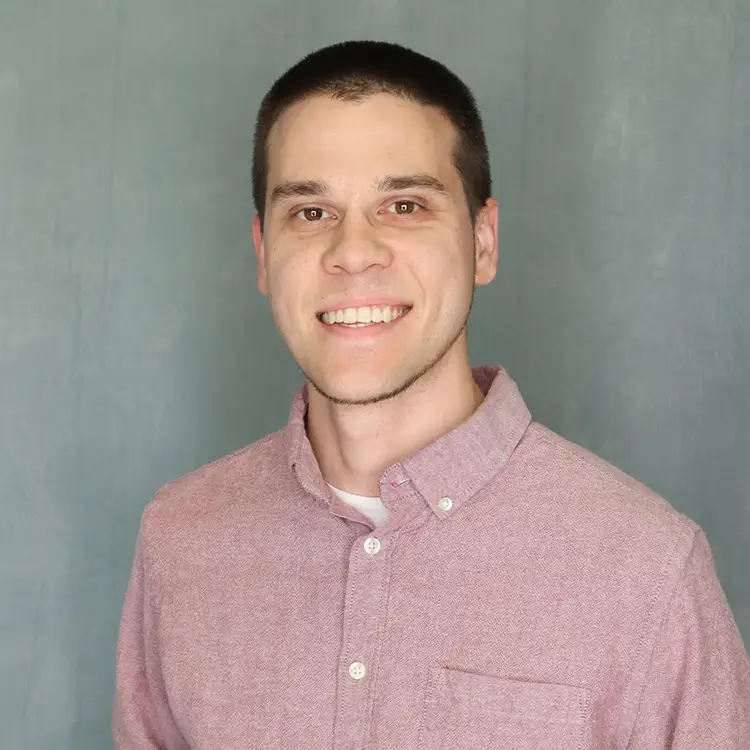
Chris Bach headshot photo
Chris Bach
Evan Reddick headshot photo
Evan Reddick

There are many career paths one can follow after earning a degree from BCMB. 

Chris Bach (’10) was recognized at the Volunteer 40 under 40 celebration this past spring. After obtaining his BS in BCMB, he went on to get an MS in kinesiology at UT and a PhD in exercise physiology from Florida State University. This was followed by postdoctoral research with the Nebraska Athletic Performance Lab. He is currently the director of performance science for the Jacksonville Jaguars football team. 

Another alumnus, Evan Reddick (PhD ’09), followed a very different career path. He carried out his doctoral research in the lab of Professor Barry Bruce studying chloroplast protein import. Then he was recruited to the University of Texas Southwestern (UTSW) Medical Center to explore vulnerabilities in breast, prostate, and lung cancers. Reddick also was dedicated to professional development, leading the Career Development Committee and later serving as president of the postdoctoral association. He co-founded the UTSW Consulting Club, which focused on strategic thinking, business strategy, and industry careers. 

After an internship at Boston Consulting Group, Reddick transitioned to the pharmaceutical industry. He held several roles at AstraZeneca, before moving to a small biopharma organization, Stemline Therapeutics. In 2023 Reddick returned to large pharma as the senior director and medical head of leukemia at Takeda Pharmaceuticals. 
Filed Under: newsletter

Genome Integrity and Programmed DNA Elimination

December 18, 2024 by ljudy@utk.edu

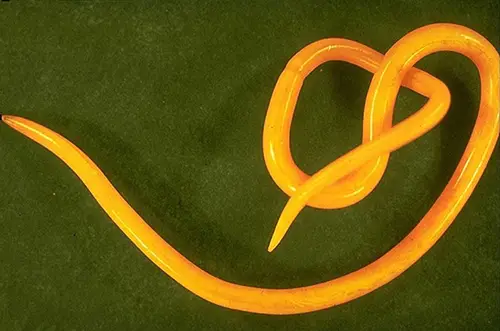
Photo of the parasite ascaris

Genome integrity is essential to life, and genome instability is often associated with aging, cancer, and other diseases. A notable exception to genome integrity is programmed DNA elimination (PDE), where a large portion of DNA is lost during development. While PDE is found in diverse organisms, its molecular detail remains poorly understood.

The Wang Lab studies PDE in nematodes, including the human parasite Ascaris. Recently, they discovered one function of PDE is to split chromosomes, leading to karyotype changes that benefit both the germline and somatic cells. This work, led by postdoctoral researcher Ryan Simmons, was published in Current Biology. In another study, graduate student Brandon Estrem used END-seq and discovered that PDE in Ascaris requires resection of DNA double-strand breaks. The resection facilitates neotelomere formation that heals the DNA breaks. This process is specific to PDE, as outlined in their recent publication in Nucleic Acids Research.

The Wang Lab is also developing new models to study PDE. Work led by research associate Tom Dockendorff established a free-living nematode as a genetic model for PDE. This work was published in Current Biology. Overall, the ongoing work on PDE in the Wang Lab is promising to provide novel insights into genome stability and maintenance.


Filed Under: newsletter

Analysis Guides Treatment of Neurological Disorders

December 18, 2024 by ljudy@utk.edu

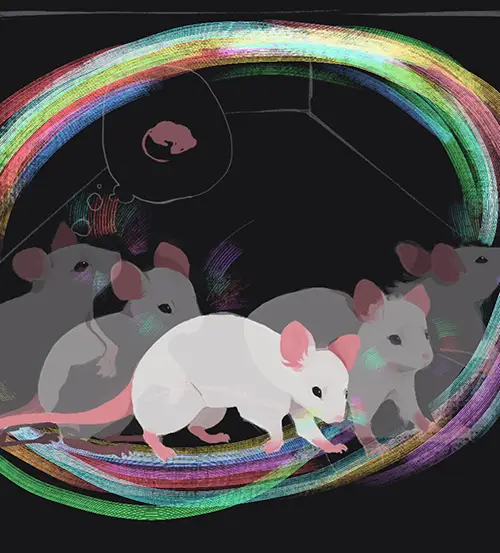
Illustrated graphic showing the movement of a mouse
Photo credit: Mariam Ceesay (University of Tennessee student)

Syndromic neurological disorders, conditions that manifest multiple symptoms simultaneously, pose a unique challenge to the medical community. Due to the individual variances in these disorders, each person may require different diagnoses and treatment approaches. Scientists often use animal models to study these complex disorders, aiming to understand their causes and explore potential treatments. However, just like in humans, these animals display individual variations in symptoms, making it difficult to pinpoint the origins of symptoms or identify suitable drug targets for treatments. This hurdle impedes us from developing effective strategies for treating many major disorders affecting millions of people worldwide.

Recently, the Krishnan Lab made significant strides toward overcoming this problem by leveraging advancements in computational neuroethology to study Rett syndrome, a neurodevelopmental disorder affecting one out of every 10,000 girls and women globally. 

This research, published in Journal of Neuroscience, used computational image analysis and multidimensional approaches on a female animal model for Rett syndrome. With this approach, they were able to distinguish two distinct groups within a genetically identical population of female mice, highlighting the power of this approach to gain a better understanding of this syndrome in humans. 

This breakthrough discovery allows us to categorize complex movements and behaviors in animal models for neurodevelopmental disorders, laying the groundwork for personalized medicine approaches tailored according to an individual’s unique symptom profile.


Filed Under: newsletter

Dirty Proteins Yield Photosynthesis Insights

December 18, 2024 by ljudy@utk.edu

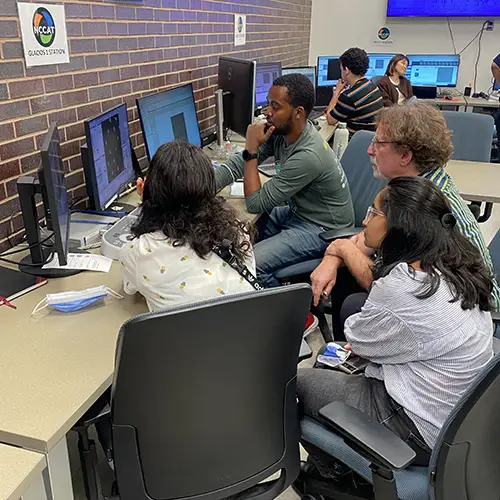
A group of researchers gathered around a set of computer monitors

Since groundbreaking work in the 1960s and ’70s, scientists have been using industrial detergents to extract and study membrane-bound enzymes. Most structures of these proteins have been studied in detergents, but a new method has emerged recently—Styrene Maleic Acid/Lipid Particles (SMALPs). Unlike other techniques, SMALPs use a special polymer to extract proteins directly from their natural membranes, keeping their lipid environment intact.

The Bruce Lab, in collaboration with the Long Lab in the Department of Chemistry, has spent the last five years developing new polymers that allow us to isolate essential thylakoid membrane proteins involved in photosynthesis, such as photosystem I (PSI), in high yields. They have created over 60 polymers to determine how their structures affect protein extraction. So far, they have successfully isolated PSI-SMALPs from various heat-loving cyanobacteria. Using femtosecond spectroscopy, they discovered that PSI-SMALPs show incredibly fast charge separation in less than 100 femtoseconds, which might be altered when detergents are used. 

Recently, this project took Professor Barry Bruce and his graduate students (Kavya Penneru, BCMB, and Fida Ali, Bredesen Center genome science and technology program) to the National Center for Cryo-EM Access and Training in Harlem, New York. 

There, they determined the structure of the PSI-SMALP using cryo-EM, making it the first-ever structure of a photosystem isolated without surfactants or detergents; it will also be the largest SMALP ever isolated. This groundbreaking research will provide new insights into the function of photosynthetic complexes in their natural state and provide important insights into how photosynthesis works.

Filed Under: newsletter

Calhoun Lab Monitoring Membrane Transport

December 18, 2024 by ljudy@utk.edu

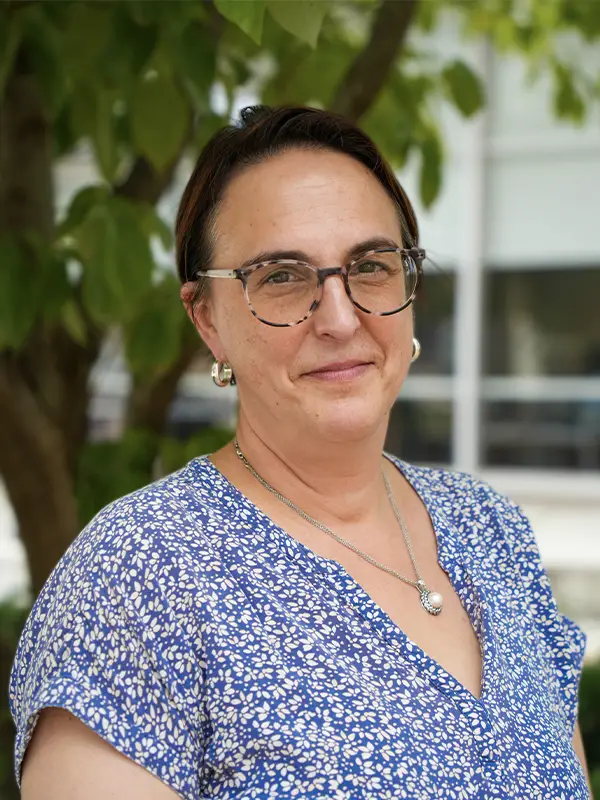
Headshot
Tessa Calhoun

The complexity of bacterial membranes facilitates the delicate balance of transporting nutrients while protecting the cell from antibiotics. The Calhoun Lab at the University of Tennessee, Knoxville, specializes in interpreting molecule-membrane dynamics within these microscopic environments using the nonlinear optical technique, second harmonic scattering.

Marea Blake (‘24) was the first author on a recent study where the Calhoun Lab monitored the impact of miltefosine, a drug and membrane disruptor, on living bacterial cells. They were able to observe a localized impact of this molecule. This led to the transport of some small molecules not changing in the presence of this drug while others were altered significantly. Such insight into compounding effects can provide a deeper understanding of drug mechanisms and new directions for adjuvant design. These results were published in RSC Chemical Biology and were accompanied by a cover image.

The lab is continuing to study small-molecule dynamics in bacteria by imaging the impact of membrane heterogeneity on transport behavior, identifying cell envelope contributions. Additionally, they are observing efflux resistance mechanisms after antibiotic incubation, dissecting impacts of the membrane proton motive force, and understanding the change in molecule tilt angles over time. 

This research is possible through funding from a National Institutes of Health (NIH) Maximizing Investigators’ Research Award (MIRA, R35) to Calhoun.

Filed Under: newsletter

BCMB Support Serves Research, Teaching Missions

December 18, 2024 by ljudy@utk.edu

Gladys Alexandre headshot
Gladys Alexandre, Professor and Department Head

Support matters, whether it be technical, financial, or through mentoring and guidance. For those of you who continue to support the Department of Biochemistry and Cellular and Molecular Biology (BCMB) in any form, thank you, thank you, thank you! 

In this newsletter, we illustrate how these types of support allow the department to continue its research and teaching missions and to do its part to better serve all Tennesseans. Financial support directly to the department returns on investment in spades, as you will read in the newsletter. You will also meet our newest colleagues, Assistant Professors Martin Engelke and Jie Sun. 

At its core, research and teaching in biochemistry and cellular and molecular biology span the continuum of the structure and function of macromolecules and their interactions to make all cell types and their subcellular components in their amazing diversity. The technological advances of the last decade span an explosion of high-resolution microscopy approaches, a plethora of genomics platforms and related data analyses, as well as leaps in the power of supercomputing, including the rise of artificial intelligence. At the scale at which BCMB research is conducted, instrumentation and analytical approaches matter a lot. In this newsletter, you will read about research conducted in BCMB that perfectly highlights this.

Training in BCMB shapes diverse careers, as you can see in the alumni spotlights at right. It is not uncommon for our graduates—whether with a BS, MS, or PhD—to go on to pharmaceutical and biotech industries. 

As always, please share any comments, suggestions and feedback. Your news is our news, so please share with us! Welcome to the 2025 edition of the newsletter!

Filed Under: newsletter

faculty headshot photo

Programmed DNA Break and Telomeres Study Published

December 6, 2024 by ljudy@utk.edu

Filed Under: Featured

Headshot photo

Inter-Collegiate Collaboration Develops New Tool for Image Analysis

December 3, 2024 by ljudy@utk.edu

Andreas Nebenführ headshot

The Nebenführ lab has developed a fully automated analysis pipeline to extract quantitative measures from fluorescently labeled actin networks for detecting differences in actin organization between cells. By teaming up with the Abel group in Chemical and Biomolecular Engineering, they were able to demonstrate the robust nature of the extracted parameters, as documented in their recent publication in Molecular Biology of the Cell.

Read the article


Filed Under: Featured

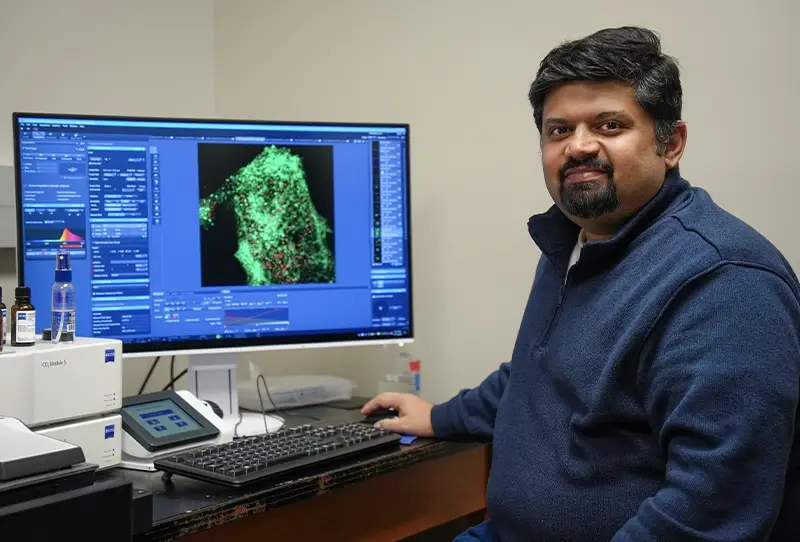
Assistant Professor Amit Joshi in his lab

UT Scientist Contributes to New Understanding of Cell Growth

November 21, 2024 by ljudy@utk.edu

Filed Under: Featured

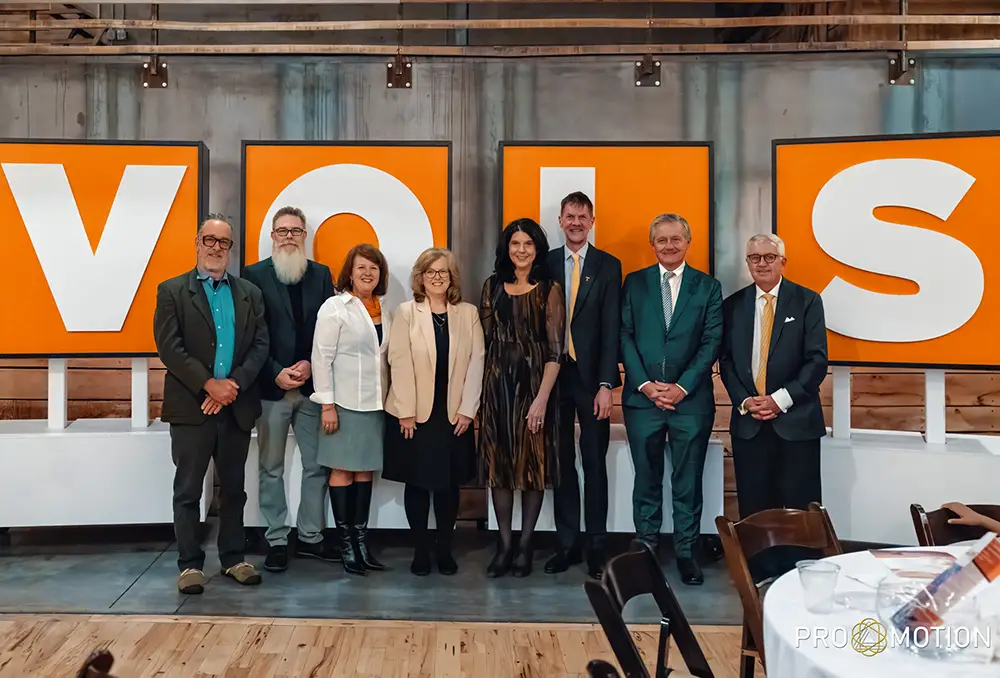
Group photo of awardees from the college's 2024 awards ceremony

2024 Alumni and Philanthropy Awards Honor the Volunteer Spirit

November 11, 2024 by ljudy@utk.edu

Filed Under: Featured

  • « Previous Page
  • 1
  • 2
  • 3
  • 4
  • Next Page »

Biochemistry & Cellular and Molecular Biology

College of Arts and Sciences

1311 Cumberland Avenue
309 Ken and Blaire Mossman Bldg.
Knoxville TN 37996-1937

Email: bcmb@utk.edu

Phone: 865-974-5148

The University of Tennessee, Knoxville
Knoxville, Tennessee 37996
865-974-1000

The flagship campus of the University of Tennessee System and partner in the Tennessee Transfer Pathway.

ADA Privacy Safety Title IX